TV Ad Activity Fell 8.6% During the BARC Ratings Blackout as Digital Grew 24.5%
TAM AdEx data for July to September 2026 shows advertisers pulling back from television while weekly TV ratings stayed suspended, and moving money to measurable digital media.
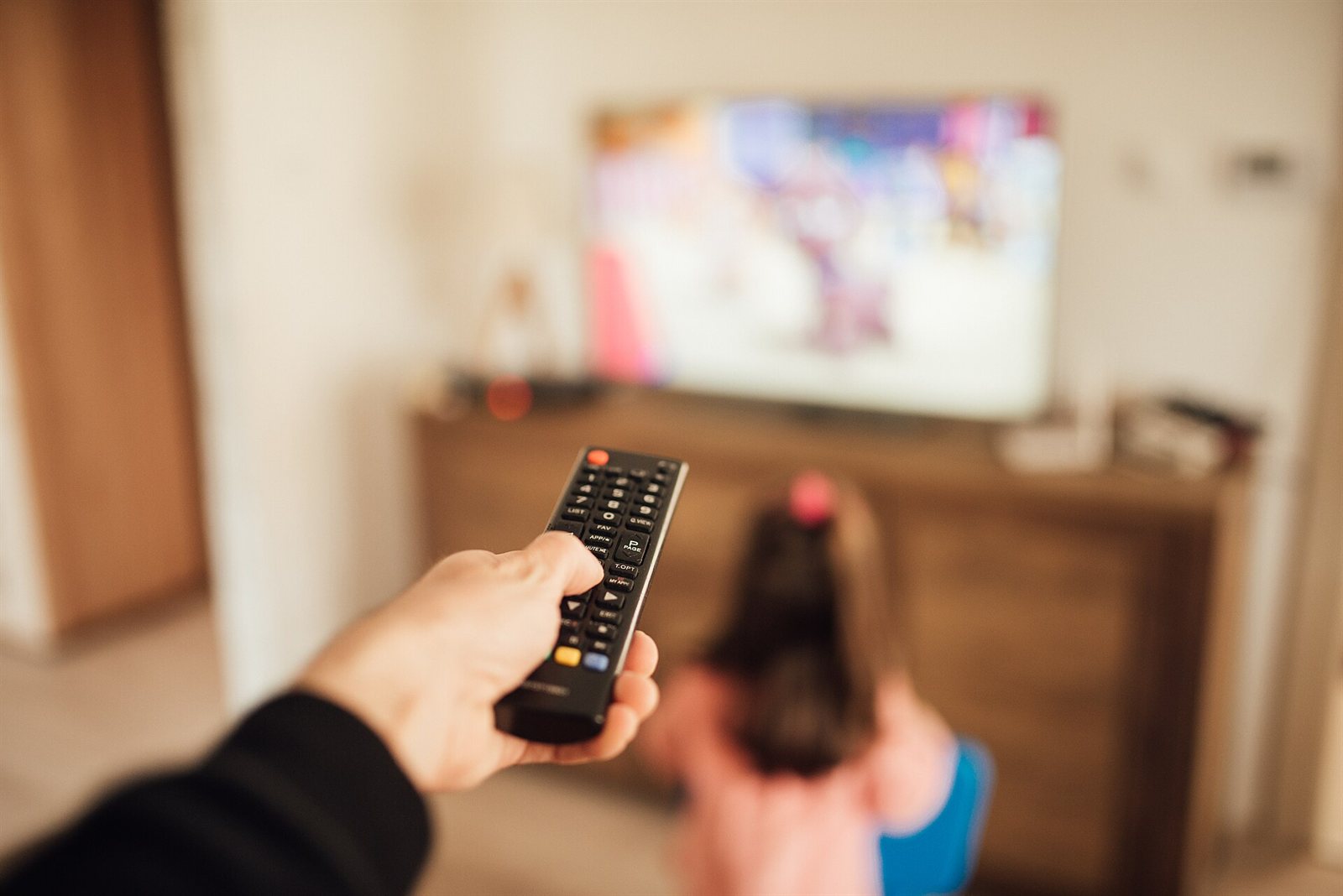
Advertising on Indian television fell 8.6% between 1 July and 28 September 2026 compared with a year earlier, while digital advertising grew 24.5%, according to TAM AdEx data reported by Exchange4media. The period almost exactly matches the time weekly TV ratings have been suspended.
Measured as an index against a year-earlier base of 100, television fell to 91.4 and digital rose to 124.5. Print slipped to 94.7 and radio held at 101.1. Food and beverages remained the largest advertiser category on TV, with a 22.7% share of ad activity.
Why there are no ratings
The Ministry of Information and Broadcasting's new Television Ratings Policy, 2026 requires every ratings agency to obtain fresh registration before publishing audience data. BARC India's application had not been approved when the directive reached it in early July, so the agency stopped publishing weekly ratings, first for news channels and then for all genres, Business Standard reported.
What the blackout costs
Without current ratings, broadcasters struggle to justify their ad rates, while digital platforms can show advertisers measurable results, which helps explain the shift in spending. Broadcasters' body IBDF called for ratings to be restored in late September, arguing the suspension was hurting revenue visibility in the festive season, and BestMediaInfo reported on 16 October that the delay is also hurting large consumer brands that rely on TV to reach new households.
Television was already under pressure before the blackout: TV ad volumes fell 7% per channel in January to July 2026, TAM AdEx data showed, after a 9% fall the year before. Distributors are feeling it too: Tata Play lost an estimated 27.8 lakh DTH subscribers in the year to June 2026.
Questions readers ask
Why are BARC TV ratings suspended?
The Television Ratings Policy, 2026 requires ratings agencies to get fresh registration. BARC India's renewal had not been approved, so it stopped publishing weekly ratings in early July 2026.
How much did TV advertising fall during the ratings blackout?
TV ad activity fell 8.6% between 1 July and 28 September 2026 compared with a year earlier, according to TAM AdEx.
Did digital advertising grow while TV ratings were suspended?
Yes. Digital ad activity grew 24.5% over the same period, as advertisers moved to platforms that can measure results.
Which advertisers spend the most on Indian TV?
Food and beverage brands, with a 22.7% share of TV ad activity in July to September 2026.
Sources
- TV ad activity drops 8.6% amid BARC blackout; digital surges 24.5% Exchange4media
- I&B ministry expands BARC ratings freeze from news to non-news channels till fresh registration Business Standard
- Protests holding up Shah-led GoM as Google intensifies assault on TV amid ratings blackout? BestMediaInfo
- TV ad volumes shrink 7% in Jan-Jul; FMCG retains dominance: TAM AdEx Storyboard18
Jio Plans to Take On Google and Meta in Ads With Household-Level Targeting, IPO Filing Shows
Jio Platforms' prospectus pitches JioAds as a way to target whole households across phones and connected TVs, using data from its 533 million-strong network.
Related stories
More in TV


- Facts checked against 4 cited sources
- Approved by Samantha D'Souza, Editor-in-Chief
- Spotted an error? Tell us · How we report
The PressRoom Briefing
The day's most important media, entertainment, tech and business stories, in your inbox every morning.