India’s Telecom Subscriber base has reached a remarkable milestone, crossing 1.33 billion users as of March 2026. This growth highlights the country’s rapid progress toward universal digital connectivity, with mobile networks continuing to serve as the backbone of modern life.
With millions of new users joining the network every month, the data paints a picture of a nation that is increasingly reliant on digital services for everything from communication and entertainment to banking and education.
According to the latest data released by the Telecom Regulatory Authority of India (TRAI), and as detailed in an ANI report, the industry maintained a consistent monthly growth rate of 0.70 percent in March.
The total number of telephone users in the country climbed to 1,330.58 million, an increase of 9.28 million subscribers compared to the previous month. The wireless segment continues to be the primary engine of this growth, adding 9.02 million new connections, while wireline services also saw a positive uptick with 0.25 million new subscribers, suggesting that traditional landline services are maintaining a steady, albeit slower, relevance in the digital age.
The broadband sector has also reached a historic high, with the total subscriber base rising to 1,065.88 million. This rapid expansion in broadband, which covers both wired and wireless connections, saw an addition of 6.83 million users in just one month.
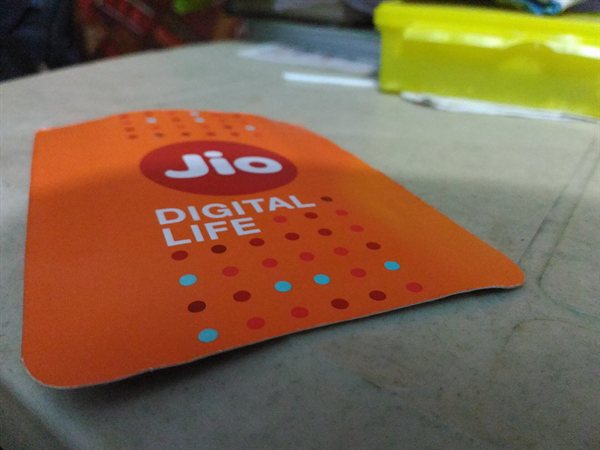
Market competition remains intense, with Reliance Jio Infocomm Ltd. holding the top spot with 523.44 million subscribers. Bharti Airtel Ltd. trails with 368.84 million, while Vodafone Idea Ltd. manages a base of 128.91 million. With over 1,520 operators now active across the country, the market is highly dynamic, though the top five service providers still dominate, collectively holding a 98.60 percent market share.
Geographically, the distribution of these subscribers reveals an interesting trend in the ongoing effort to bridge the digital divide. Urban areas accounted for 778.79 million subscribers, while rural areas reached 551.79 million. Crucially, the growth rate in the rural wireless segment actually outpaced urban expansion this month.
Rural wireless subscriptions grew by 0.74 percent, adding 4.04 million users, whereas urban wireless subscriptions saw a growth of 0.68 percent with 4.98 million additions. This shift highlights the successful penetration of mobile networks into India’s rural hinterlands, where digital services are becoming essential tools for economic inclusion.

The overall tele-density in the country now stands at 93.26 percent, a figure that underscores the high level of market penetration.
While urban tele-density is notably high at 151.47 percent, pointing to a dense concentration of multiple devices per individual in cities, the rural figure of 60.46 percent confirms that there is still significant room for further growth.
Even when excluding machine-to-machine cellular mobile connections, the national tele-density remains a strong 84.57 percent, a testament to the robust health of the Indian telecom industry and its vital role in the nation’s ongoing digital evolution.
Key Highlights:
- Subscriber Milestone: India’s total telephone subscriber base has surged to 1.33 billion as of March 2026, driven by a consistent monthly growth rate of 0.70 percent.
- Broadband Dominance: The broadband sector saw significant gains, reaching 1.06 billion subscribers, with Reliance Jio maintaining its leadership followed by Bharti Airtel and Vodafone Idea.
- Rural Connectivity: Rural wireless growth outpaced urban expansion in percentage terms, signaling successful efforts to extend digital infrastructure to remote areas.

- Market Structure: The private sector continues to dominate the market, holding over 92 percent of the share, while national tele-density has climbed to 93.26 percent.